
Blog

Alone, But Not Lonely
Being alone and feeling lonely aren't the same thing. While solitude can offer peace, freedom, and restoration, loneliness can quietly affect our emotional and physical well-being. Discover how to recognize the difference, nurture meaningful connections, and find comfort in your own company.
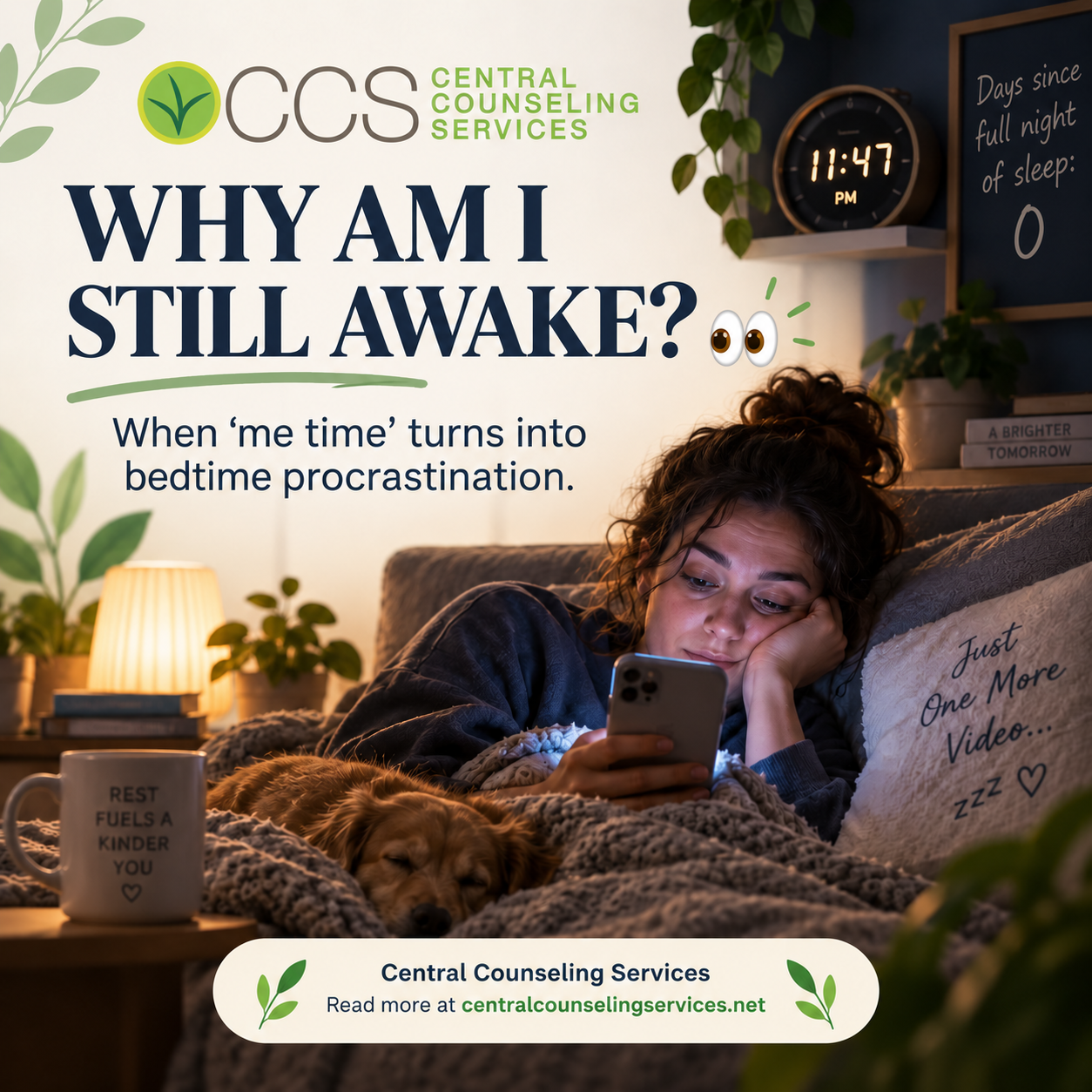
Why Am I Still Awake? Bedtime Procrastination and the Battle for “Me Time”
You know you need sleep, so why are you still scrolling at midnight? Learn what bedtime procrastination is, why “me time” can keep us awake, and how to create healthier nighttime habits without turning bedtime into another chore.
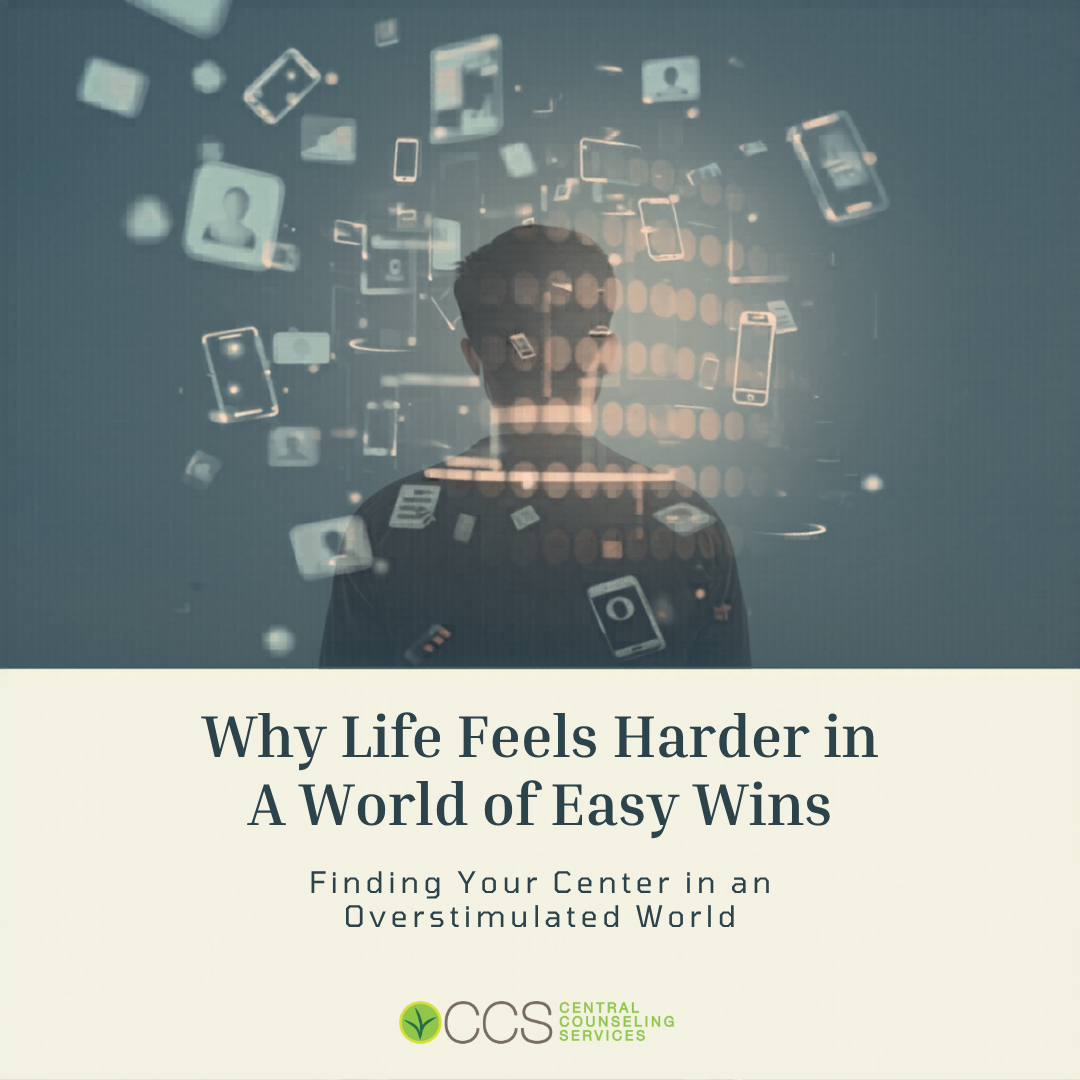
Finding Your Center: Why Life Feels Harder in a World of “Easy Wins”
Why do simple tasks feel exhausting after endless scrolling and constant stimulation? This blog explores dopamine, emotional balance, and how to reset your nervous system in a world of “easy wins.”
Your Body Knows Before Your Brain Does: Why Movement Is Mental Health
Movement does more than support physical health — it helps regulate emotions, reduce stress, and improve mental well-being for both children and adults.

World Alzheimer’s Day
There are at least 8 different types of dementia, not to mention there are mixed combinations as well. Some of the most common ones are: Alzheimer’s Disease, Vascular Dementia, Dementia with Lewy Bodies, Parkinson’s Disease Dementia, Frontotemporal Dementia, Huntington’s Disease, Creutzfeldt-Jakob Disease, Wernicke-Korsakoff syndrome, and Normal Pressure Hydrocephalus. Symptoms vary by type, but 10 of the most common warning signs are:


Nature Therapy
Walking outdoors inspires feelings of awe which gives us a secondary brain boost. We need Nature Therapy to reduce mental overload caused by our busy lives.